Stress in the office or home office?
The topic of “stress at work” is seemingly timeless and always present. It is important to talk about the causes and the resulting consequences. How do we define stress? According to the Duden, the definition should sound like this: Increased stress, stress of a physical or psychological nature. Stress can therefore be seen as a symptom of excessive demands, especially in situations that we cannot influence. A traffic jam on the way to work and the resulting lateness can cause stress/resentment. Although this is still manageable, when combined with other circumstances it can develop into a larger problem. Anyone who...

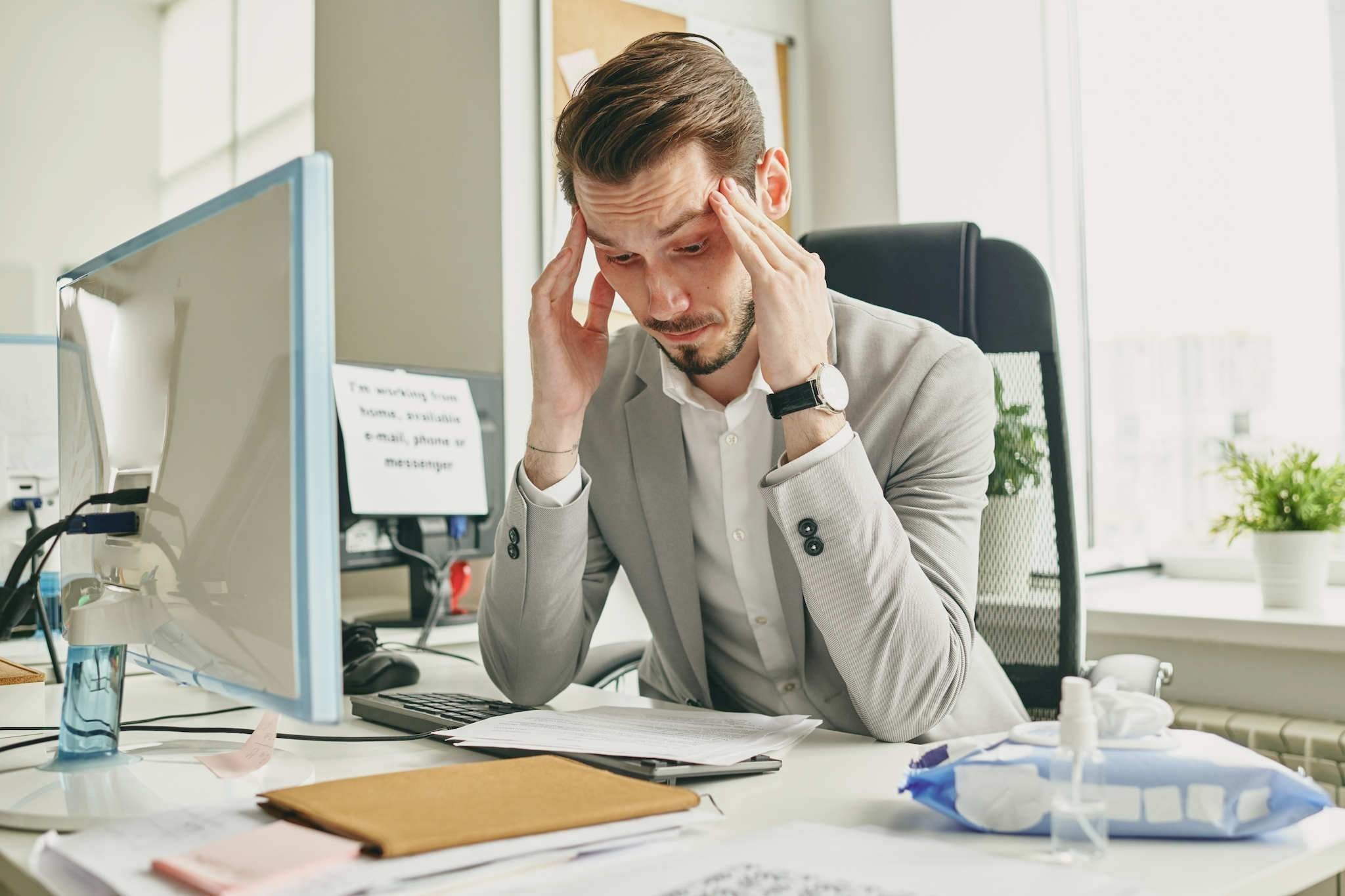
The topic of “stress at work” is seemingly timeless and always present. It is important to talk about the causes and the resulting consequences.
How do we define stress?
According to the Duden, the definition should sound like this: Increased stress, stress of a physical or psychological nature. Stress can therefore be seen as a symptom of excessive demands, especially in situations that we cannot influence. A traffic jam on the way to work and the resulting lateness can cause stress/resentment. Although this is still manageable, when combined with other circumstances it can develop into a larger problem. Anyone who is under constant, daily and constant stress is particularly at risk of developing health problems or illnesses.
What is the stress in the workplace?
The WHO (World Health Organization) has defined workplace stress as follows: "The set of reactions that employees can show when they are confronted with job demands and pressures that do not correspond to their knowledge and skills and challenge their ability to cope".
They describe the state when we are no longer able to solve problems or are no longer able to cope with requirements. Then we often have the feeling of losing the ground under our feet. Constant stress endangers our health more than we think, both physical and psychological.
Stress at work affects everyone
Nobody is immune to stress at work. From managers to workers, whether self-employed or civil servants. The circumstances are different, but the effects on health are the same, namely harmful. Stress reaches its peak in burnout, the state in which all limits have been reached or exceeded. Women are more likely to be affected by stress at work, which could be because they work more in social professions, such as nurses or carers. While some feel the stress challenges them to do more work, others perceive it as a pressing burden that paralyzes them and makes them unable to move.
What are the causes?
As individual as the triggers for stress are, the list of possible causes is just as extensive:
- Too much workload or too little challenge
- Stressful working hours, e.g. shift work or piece work
- Too many different tasks or lack of variety
- No recognition of performance
- Exclusion, both spatial and personal
- Lack of clear structures
- Difficult tasks
- Poor working conditions (ergonomics, noise, environmental influences)
- Bad working atmosphere
- Disagreements and even internal or external violence
- Moral or sexual harassment
- Dissatisfaction due to a lack of trust/confidence from superiors or colleagues
- Unsafe job (limited time, continued existence of the company)
- Technological change and the resulting requirements (constantly learning new techniques)
- Lack of transparency and communication within the company
What consequences result from this?
The most common side effects are:
- Headache
- Tension in the body (neck, back, muscles)
- Reduced sleep quality (lack of sleep or persistent fatigue)
- Gastrointestinal problems
- Increase or disturbance in heart rate and blood pressure
- Weakening of the immune system
- Psychological complaints (anxiety, irritability and moodiness, depression, burnout, loss of self-esteem)
We could add to the list endlessly. At the first signs, don't hesitate to listen to your body and react!
We are all the more grateful to people who work to prevent such circumstances and their consequences. They show entrepreneurs what stress means for employees and what consequences it can have for the company. These people show ways that benefit companies and their employees alike. Their solutions include, among other things, in-house massage offers.
What is effective against stress?
Prevention is probably the most effective weapon against the culprit, stress. Companies are even legally obliged to prevent psychosocial risks (PSR), which includes stress. The awareness of the importance of health promotion is constantly raised among entrepreneurs and is largely internalized. However, they regulate the necessary measures themselves.
What can I do for myself?
How reassuring it is to realize that, although you can't necessarily influence how the company deals with this issue, you can take steps to improve the situation, at least for yourself.
- Healthy lifestyle: Balanced diet, adequate fluid intake, exercise, adequate and regular sleep, self-discipline
- Seek balance: Through hobbies, sports, excursions or any activity that is good for you
- Create structures: Use of to-do lists, effective time planning including relaxing breaks, self-organization
- recovery: Min. 3 weeks of vacation in a row are necessary to regenerate properly
- Communication/Message: Talk to a colleague you trust, the works council, superiors or external advice centers
- Seek help: There are therapists, doctors, psychologists or other competent professionals in every area
Be careful when choosing a place to work
Companies are attaching more and more importance to the well-being factor for employees and their social responsibility. Applicants are increasingly placing more value on employee-friendly offers such as massages, fitness offers or after-work sessions. This makes them feel valued and more motivated. This allows you to identify with the company and is more likely to make a commitment.
The better off the employees are, the better off the company is. Health-promoting offers reduce downtime due to illness and increase productivity. The European Agency for Safety and Health at Work has found that stress accounts for 50 to 60% of all sick days. It is the most common reason for certificates of incapacity for work in Germany.
Is an open-plan office a source of stress?
Many experts disagree here. For some, the advantages of the system outweigh the disadvantages, while others find endless disadvantages. The noise level is increased, the risk of distraction is high, the lack of privacy is uncomfortable, and the control of superiors is omnipresent. This quickly leads to tensions among employees and a poor working atmosphere, which in turn provokes stress. In our opinion, working in an open-plan office is a source of increased stress.
The transition from stress to burnout
Long-term stress can quickly lead to burnout, with stress being seen as the cause and burnout as a pathological consequence. The transitions are fluid and sometimes difficult to define. If the body can no longer compensate for the stress, it reacts by expressing various symptoms that you should take seriously. Stress is not the only cause of burnout; other factors also play a role. But stress usually accounts for the largest share of the illness-causing mix.
Back pain can be worsened by stress
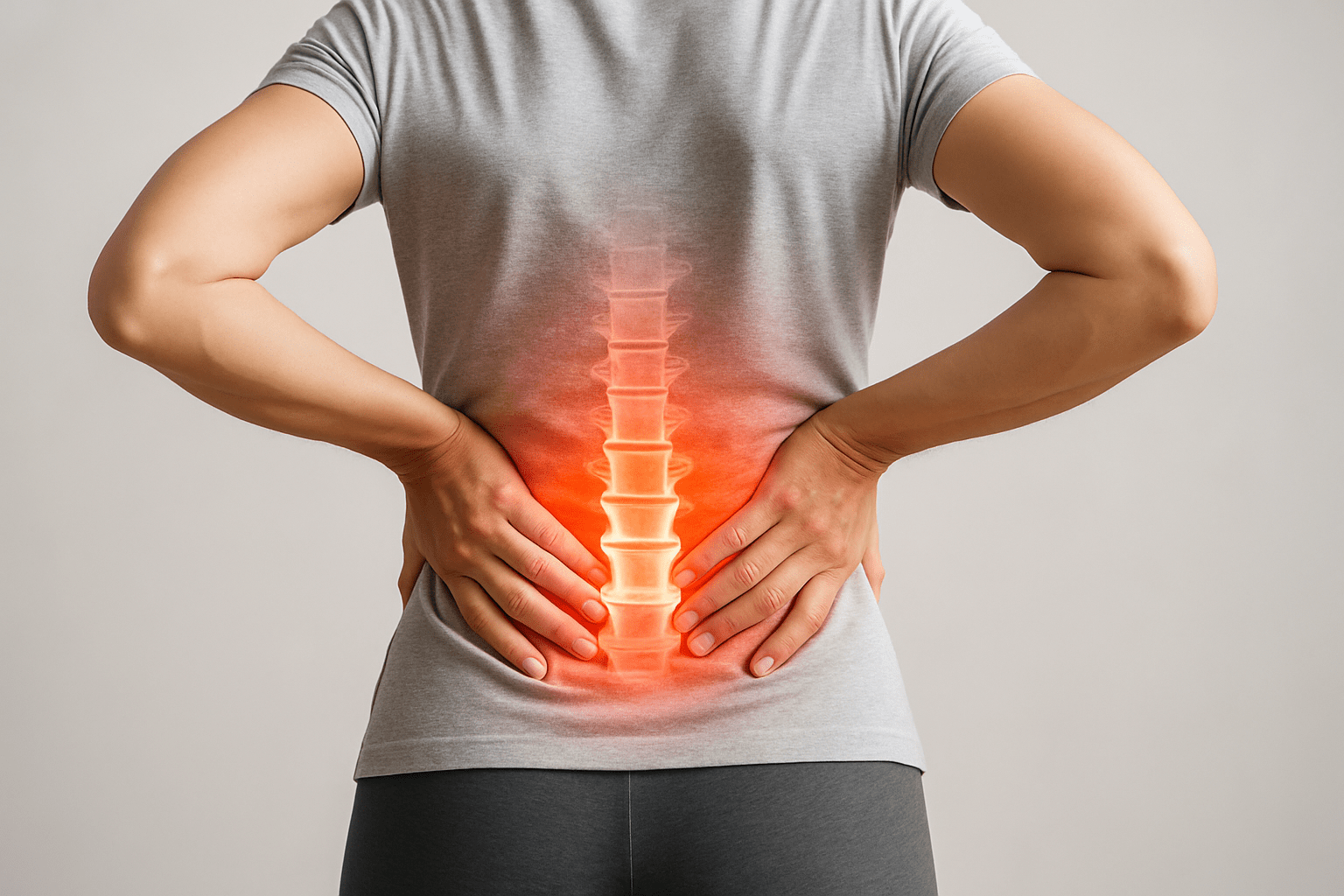
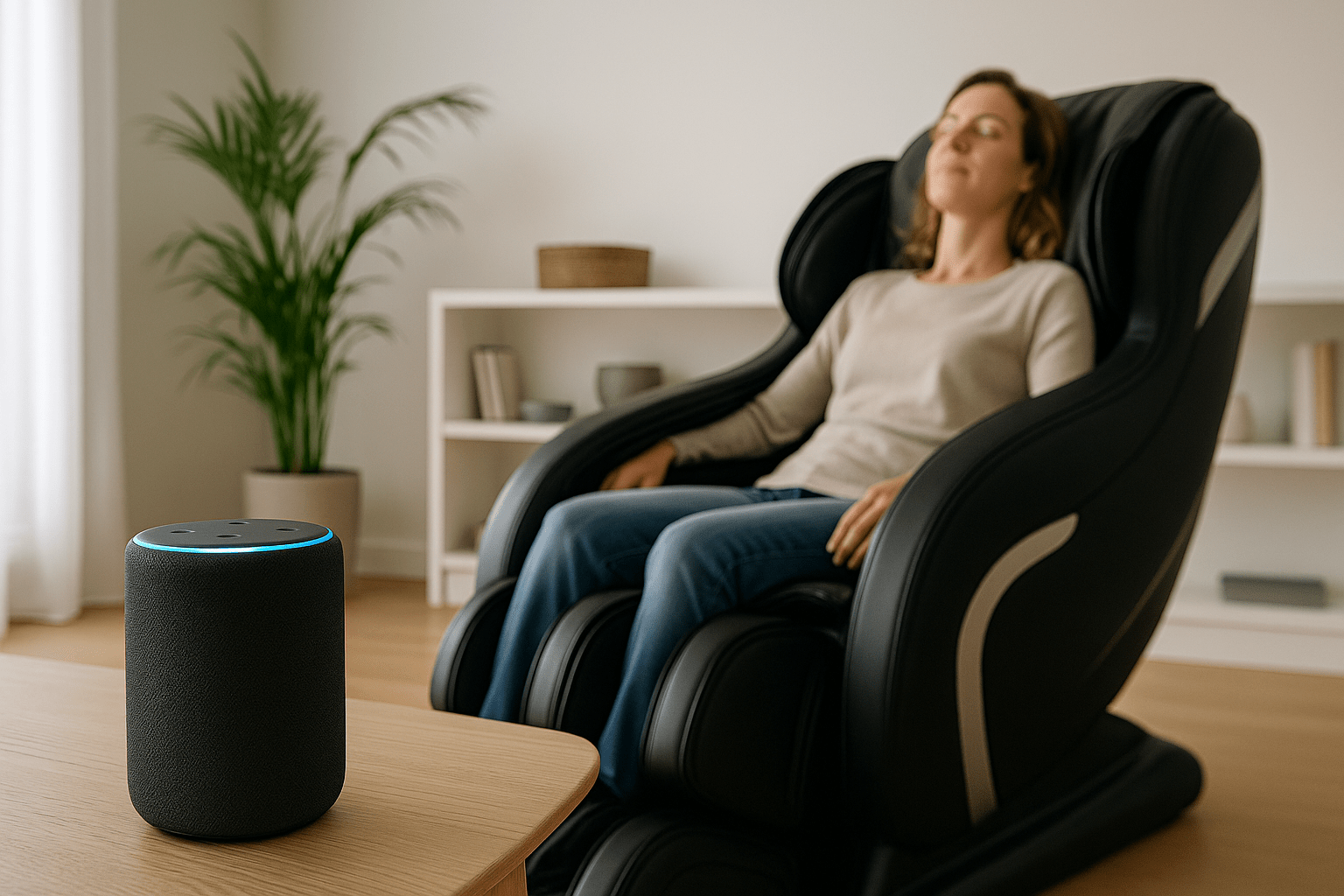
Our body reacts to stress with tension and tenseness. The tension becomes noticeable mentally and the tension in the muscles. Both can result in pain. The cervical spine or the neck and shoulders are particularly affected. You don't just carry a heavy burden in your imagination. Then you quickly find yourself in a vicious circle: the back pain results from stress, which in turn puts additional stress on us. Sometimes the only thing that helps is to take a deep breath and look ahead! Purchasing a massage chair can also have positive effects.
Mitgründer und Geschäftsführer der Massagesessel Welt. Mit seinem Expertenwissen und seiner Branchenkenntnis hilft er, Privatpersonen und Unternehmen zu passenden Massagesessels für Entspannung, Gesundheit und Vitalität zu finden. Die individuelle Fachberatung erfolgt sowohl telefonisch oder per Videochat, als auch in der Ausstellung vor den Toren Stuttgarts.