Deep Tissue Massage – deep tissue massage
Deep Tissue Massage – Loosen hardened fascia tissue with deep tissue massage Massages are not only a treat for your body, but also for your mind. They can help you relieve tension, reduce stress and improve your quality of life. If you treat yourself to a massage regularly, you will be doing both your physical and mental well-being a huge favor. Targeted massage movements and techniques promote blood circulation, which helps your muscles relax. At the same time, happiness hormones such as serotonin and endorphins are released, which ensure a feeling of satisfaction and relaxation. Reading tip: Our contribution “From head...

Deep Tissue Massage – Loosen hardened fascia tissue with deep tissue massage

Massages are not only a treat for your body, but also for your mind. They can help you relieve tension, reduce stress and improve your quality of life. If you treat yourself to a massage regularly, you will be doing both your physical and mental well-being a huge favor.
Targeted massage movements and techniques promote blood circulation, which helps your muscles relax. At the same time, happiness hormones such as serotonin and endorphins are released, which ensure a feeling of satisfaction and relaxation.
Reading tip: Our contribution “From head to toe: massages can help here” shows you the different areas of application of massages.
What is a Deep Tissue Massage?
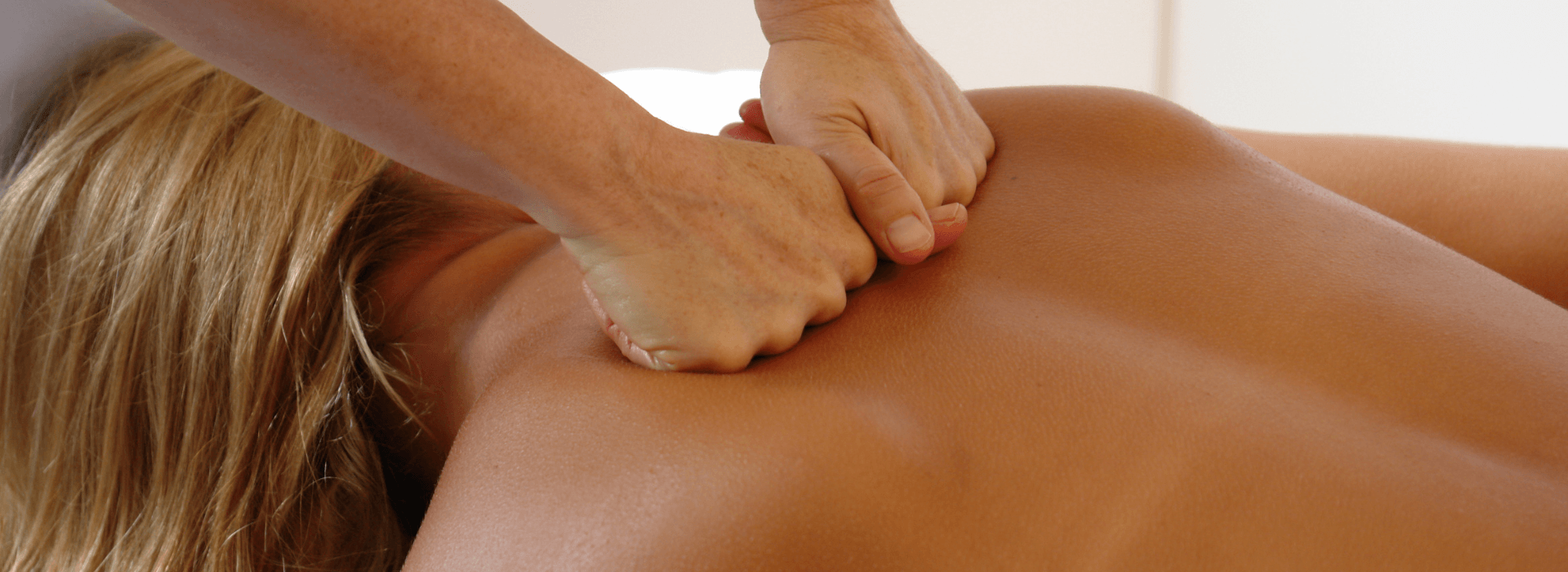
Deep tissue massages are massages with a special massage technique that focuses on the deeper layers of the muscles and connective tissue.
The aim of this massage is to loosen hardness and adhesions in the deeper muscle layers and thus reduce pain and restricted movement. This is also called “myofascial release”. Slow, strong strokes and deeper finger pressure techniques are used, which are specifically applied to the affected areas.

Deep tissue massage is particularly suitable for chronic pain, tension or muscular problems that can arise from everyday stress or sporting activities on the musculoskeletal system. It is more intensive than a classic massage and, depending on how you feel, can be perceived as slightly more painful.
Reading tip: Chronic pain patients benefit from Pain management and learning through the holistic use of pain therapyto deal with their pain.
Origin, techniques and areas of application of deep tissue massage
The origins of deep tissue massage lie in various therapeutic massage traditions, including classic Western massage and Asian pressure point massage.
It has been further developed over time and adapted to the needs of people with muscular complaints in the deep tissue and the resulting pain. In this way, it can provide optimal relief and restore physical balance.
The technique of deep tissue massage
The technique of deep tissue massage includes slow, strong strokes, deep finger pressure, as well as targeted stretching and massaging of the affected muscle areas. The focus is on trigger points and hardened fascia in order to specifically loosen them and relieve pain.
Advantages, effects and areas of application of deep tissue massage
Deep tissue massage is particularly recommended for chronic pain, adhesions of the tissue layers, restricted movement, muscle hardening, injuries and stress-related complaints.
It can also help to improve the physical performance of athletes and support regeneration processes.
Effect: Pain relief meets stress relief

Massages feel good because they influence various physiological and psychological processes in the body. Here are some scientific explanations for this:
-
Release of endorphins: During a massage, the release of endorphins, the so-called happiness hormones, is stimulated. These have a pain-relieving effect and create a feeling of well-being and relaxation.
-
Improving blood circulation: Massages stimulate blood circulation, which means oxygen and nutrients are better transported to the muscles and organs. This leads to improved cell regeneration and detoxification of the body.
-
Reduction of stress hormones: Body massages can reduce the body's levels of cortisol, a hormone released during stress. This reduces general stress levels and promotes relaxation.
-
Relaxation of tension: Through targeted pressure and stretching techniques, hardened muscles and fascia are loosened, resulting in improved mobility and pain relief.
What is fascia?

Fascia, also known as connective tissue, can be found everywhere in your body. For example, they are muscular sheaths and connect muscles, organs, bones, nerves and blood vessels.
Imagine fascia as a three-dimensional network that gives your body structure and shape and connects all of its components together.
These important structures are not only responsible for the stability of your body, but also for mobility and flexibility. The structural tissue can harden, stick together or become matted, which can lead to muscle tension and pain.
That's why it's important to pay attention to the health of your fascia, for example through targeted exercises or special massages of the fascia tissue, which keep the structural tissue supple and can relieve tension. Please take a look at ours Massage Chair Shop over!
Difference between deep tissue and fascia massage
Fascia massage is a special form of deep tissue massage that specifically targets the connective tissue, i.e. the fascia. The classic deep tissue massage, however, focuses on the deep muscle layers.
In addition, the fascia massage focuses specifically on releasing adhesions and hardenings in the fascia tissue and thus improving the mobility and flexibility of the entire body.
The techniques of fascia massage include slow, intensive pressure movements that specifically affect the connective tissue, as well as stretching and mobilizing the fascia. Special fascia rollers or balls are often used to treat the tissue even more specifically.
Fascia massage is particularly suitable for complaints that can be traced back to sticky or hardened fascia, such as back or joint pain, restricted movement and muscular imbalances.
It can also be used preventatively to keep the fascia tissue supple and prevent injuries.
Special form of deep tissue massage - Rolfing

Rolfing, also called structural integration, is a special form of deep tissue massage developed by Dr. Ida Rolf was developed. This is a holistic body therapy that aims to improve the fascia structure and posture through this targeted manual technique.
Rolfing works in a series of sessions to systematically work on layer by layer of the connective tissue, loosen adhesions and bring the body into a more harmonious balance. Rolfing is intended to promote long-term changes in posture, mobility and well-being.
Difference between Deep Tissue Massage and Swedish Massage

Deep tissue massage and Swedish massage are two different massage techniques that differ in their approaches and areas of application.
Deep tissue massage focuses on the deeper layers of muscles and connective tissue. She uses slow, strong strokes and deep finger pressure to release tension and adhesions in the deeper muscle layers.
It is particularly suitable for chronic pain, deep tension and muscular complaints.
Swedish massage, also known as classic massage, is a gentler massage technique that focuses on the superficial muscle layers.
She uses a combination of stroking, kneading, rubbing, tapping and vibration to stimulate blood circulation, relieve muscle tension and promote overall well-being. It is suitable for people who are looking for relaxation or who have mild to moderate increases in muscle tone.
The main difference lies in the intensity and focus of the massage. While deep tissue massage specifically treats deeper tensions, Swedish massage is a more gentle and relaxing method for treating superficial muscle tensions.
Apply deep tissue massage yourself
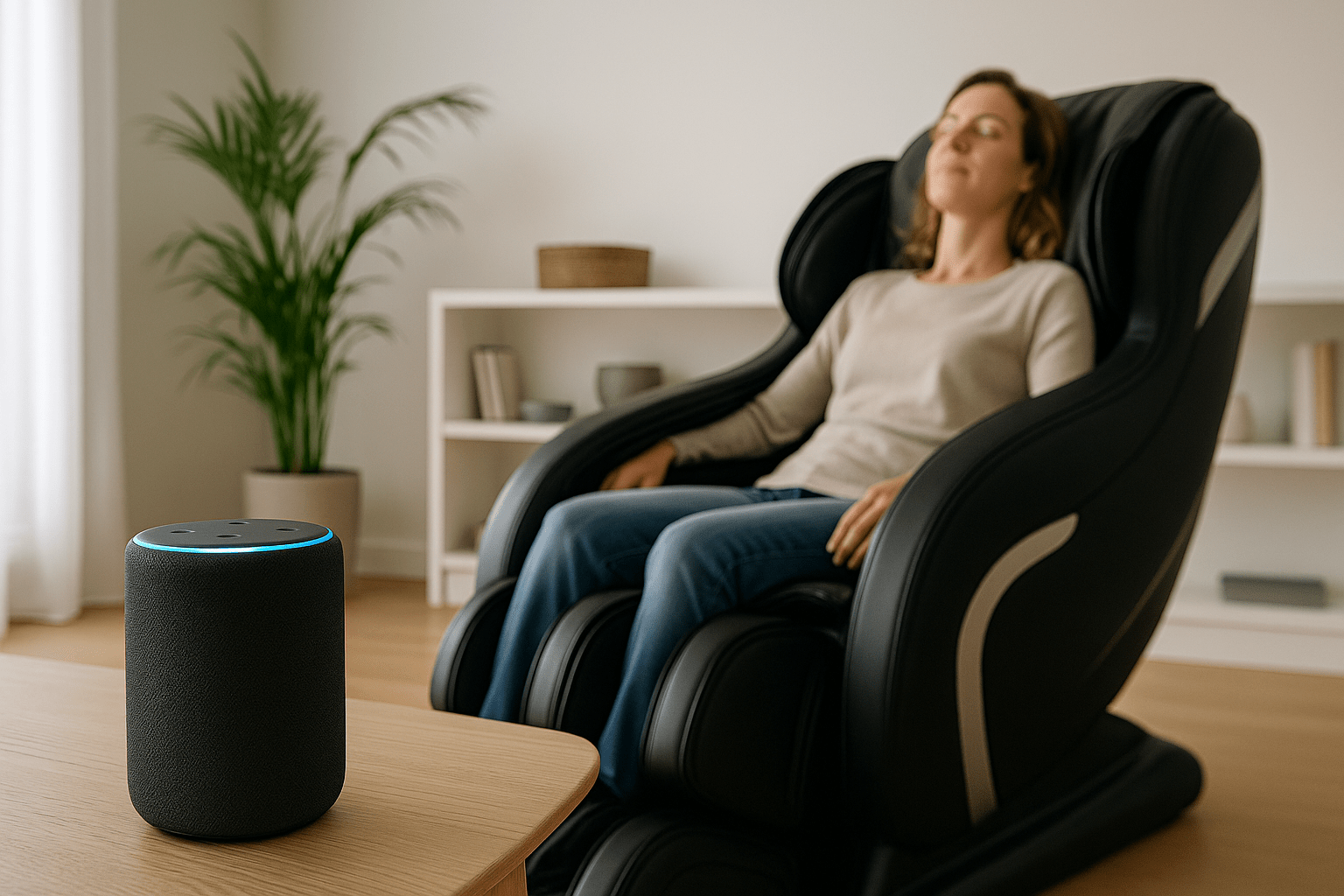
To apply a deep tissue massage yourself, you can use various tools, such as massage balls, a fascia roller, a massage gun or a massage chair.
Newly fashioned massage chairs in particular offer incredibly extensive functions and techniques, including often the function of deep tissue massage. Feel free to stop by our shop and find yours perfect armchair!
Deep Tissue Massage Gun and its application

The Deep tissue massage gun, also known as a massage gun or percussion massager, is an electrical device used for self-massage and for the targeted treatment of tension and pain in muscle tissue. It is a modern and handy alternative to traditional deep tissue massage.
How does the massage gun work?
The massage gun works with fast, pulsating movements that act on the affected muscle areas and penetrate deeply into the tissue. These vibrations help to relieve muscle stiffness and adhesions, promote blood circulation and support muscle regeneration.
How do you use the massage gun?
To use the Deep Tissue Massage Gun, turn on the device and select the desired intensity level. Then move the massage gun slowly and in a controlled manner over the individual muscle groups.
Make sure to adjust the pressure, stimulation and intensity to your personal sensitivity and avoid massaging directly on bones or joints.
The massage gun is suitable for the targeted treatment of soft tissue tension as well as for general relaxation and regeneration after sporting activities.
However, it is important to discuss the use with a doctor or physiotherapist in the event of acute inflammation, injuries or other health problems.
When should you avoid a deep tissue massage?
You should avoid a deep tissue massage if:
-
You have acute inflammation, infection or fever.
-
You have recently had surgery, sports injuries or fractures.
-
You suffer from skin diseases, open wounds or rashes.
-
You suffer from blood clotting disorders, thrombosis or varicose veins.
-
You suffer from osteoporosis or broken bones.
-
You are pregnant, especially in the first three months.
Conclusion
In summary, massage, particularly deep tissue massage, is an effective method for treating tight muscles, pain and improving overall well-being. The targeted treatment of muscles and fascia leads to pain relief, increased mobility and reduced stress.
Special techniques such as Rolfing or fascia massage offer additional options to meet individual needs. Self-massage aids, such as Massage guns or high quality massage chairs, make it possible to benefit from the benefits of deep tissue massage at home!
Mitgründer und Geschäftsführer der Massagesessel Welt. Mit seinem Expertenwissen und seiner Branchenkenntnis hilft er, Privatpersonen und Unternehmen zu passenden Massagesessels für Entspannung, Gesundheit und Vitalität zu finden. Die individuelle Fachberatung erfolgt sowohl telefonisch oder per Videochat, als auch in der Ausstellung vor den Toren Stuttgarts.